
From Sommelier to Winemaker: Jonathan Tong on Building World of Wines
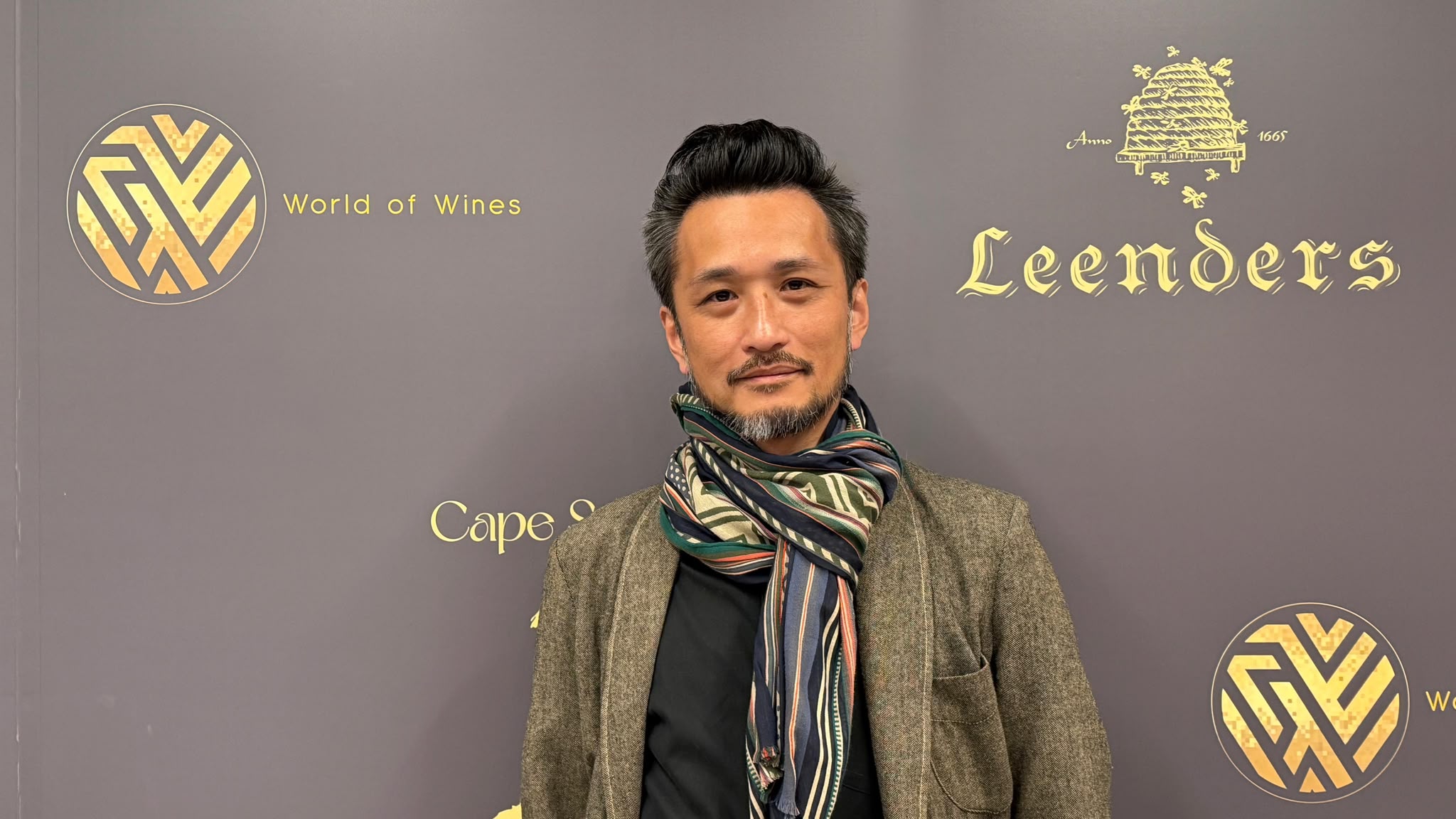
Could you tell us about your background and how you started your wine business?
I have worked in the food and wine industry for almost 30 years, with experience across Poland, Belgium, and Hong Kong. Over the years, I have built a career as a chef, sommelier, and winemaker.
Before moving to Hong Kong, I ran both a restaurant business and a wine business in Belgium. When I moved to Hong Kong eight years ago, I initially worked as a chef before gaining further experience with local wine companies.
In addition to selling wine, you are also involved in the winemaking process. What inspired you to do this?
The project began in 2021 with a friend. He introduced me to a South African winemaker, and we immediately connected.
Owning a small winery had always been a dream of mine, and this felt like the right opportunity to make that dream a reality. By last year, the wines were ready, and we entered them into an international competition in Paris organised by Gilbert & Gaillard.
We submitted six wines and were awarded eight gold medals, which was wonderful recognition. That success encouraged me to further develop the wine business in Asia.
What do you consider the biggest challenge in the winemaking process?
The biggest challenge is producing wine on a small scale and gaining recognition in a competitive market. At the competition in Paris, around 80 to 90 per cent of the wines were French. As a producer of South African, or New World, wine, it was a great honour to compete alongside French wines. It is not easy, but the recognition shows that our wines can stand beside those from more established regions.
Why did you choose to focus specifically on South African wine?
It began partly by chance, but I was also drawn to South Africa’s terroir and climate. The vineyards are located in cool-climate valleys that still receive plenty of sunshine. At night, temperatures can even drop below zero, and I find the weather there more stable than in France. These conditions give the grapes a distinctive character and allow us to produce wines with both freshness and intensity.
What makes your wines different from French wines or other South African wines?
I work with both French and South African grape varieties. For example, I use Pinot Noir in a Burgundy style, as well as Roussanne and Marsanne, which are typical Rhône varieties. I also use traditional French red grape varieties.
Compared with French wines from the same vintage, my wines are still young and fresh, so they can be enjoyed at an earlier stage. At the same time, they tend to have a more intense and richer flavour because the grapes receive more sunlight in South Africa.
The ocean also plays an important role. The wines have a subtle saline character, along with strong minerality from the terroir, which gives them a very distinctive flavour profile.
How would you describe the difference in flavour?
Compared with French wines from the same period, particularly those from the Rhône Valley in southern France, my wines are richer in flavour because the grapes receive more sunlight.
They also show strong minerality, shaped by the terroir—perhaps even more than some wines from southern France. Overall, I would describe them as medium-bodied, with a flavour that is rich but balanced.
What has your experience been like building the wine business in Hong Kong and Asia?
The wines were released last July. I already have partners in Thailand, and I personally launched the wines in Hong Kong and Macau.
I am also preparing to introduce the wines to mainland China. My focus now is on developing the business across Asia and building a strong regional presence for the brand.
Have you faced any challenges while setting up the business in Hong Kong and preparing to enter the Chinese market?
Yes. At the beginning, it was challenging because everything was new to me. It was my first time producing my own wine and introducing it to the Chinese market.
Communication and business practices in China are completely different. Working with local partners in Hong Kong is also very different from working in Europe. The business culture is different, so it takes time to understand the market and build trust.
It takes time to build a network and establish a brand in the market. Networking is especially important when you are introducing a new wine brand.
Have you always had a passion for wine?
I think my first glass of wine was when I was around 15 years old. When you grow up having dinner with your parents and they open a bottle of wine, it becomes part of the experience and, in many ways, part of Western culture.
At first, it was simply about tasting and understanding the differences between grape varieties—for example, Cabernet Sauvignon and Pinot Noir, or Chardonnay and Sauvignon Blanc. It began very simply: I would drink a glass of wine and start learning how different grapes express themselves.
Over time, that interest grew into a passion and eventually developed into my career.
Could you tell us more about your career as a chef and your transition into the wine business?
When I was younger, I spent a lot of time in the music scene in Europe, particularly in the Netherlands and Belgium. After graduating from culinary school, I became a sommelier and began working in restaurants.
After a while, however, I felt ready for a new challenge. I wanted to broaden my experience, so I decided to train as a chef and study culinary arts.
I trained in French cuisine and worked in the industry for many years. At the same time, I grew up in a restaurant family. Like many Chinese families living in Europe, my family was involved in the restaurant business, so I eventually took over the family business.
I developed a fusion concept that combined Japanese cuisine, including teppanyaki and sushi, with Western ingredients. That experience gave me a strong foundation in both food and wine, and eventually led me to where I am today with World of Wines.
26 August 2026, Hong Kong