Maaike Steinebach on Women in Leadership: Celebrating 35 Years of Connection at the Dutch Chamber
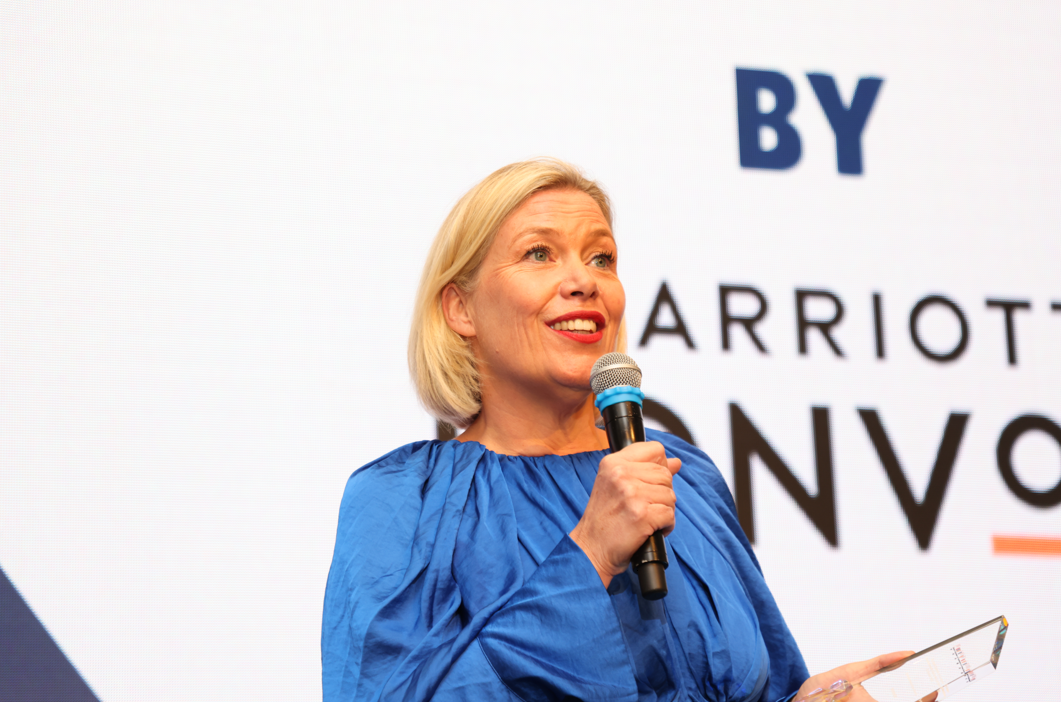
Could you introduce yourself and tell us a little about your professional background? How did your connection with the Dutch Chamber begin?
I am Maaike Steinebach, founder and CEO of Femtech Future. Today, I divide my time between the Netherlands and Hong Kong, working at the intersection of women’s health, research, and investment. I advise early-stage founders and collaborate with corporates, insurers, researchers, investors, and governments to help close the gender health gap and create better healthcare experiences for women through technology.
When I first became involved with the Dutch Chamber, I was in a very different role. I was the CEO of ABN AMRO Bank in Hong Kong, a long-standing supporter of the Chamber. At the time, there were relatively few Dutch professional women in Hong Kong, and there was no dedicated space for us to connect. So we created one: the Women in Business Committee.
That initiative meant a great deal to me. Working in finance, I was often the only woman at the table. The Committee gave me a peer network outside my own organisation, yet still within the Dutch community. I joined without any particular expectations. It was simply rewarding to meet other professional women, share experiences, and learn from one another.
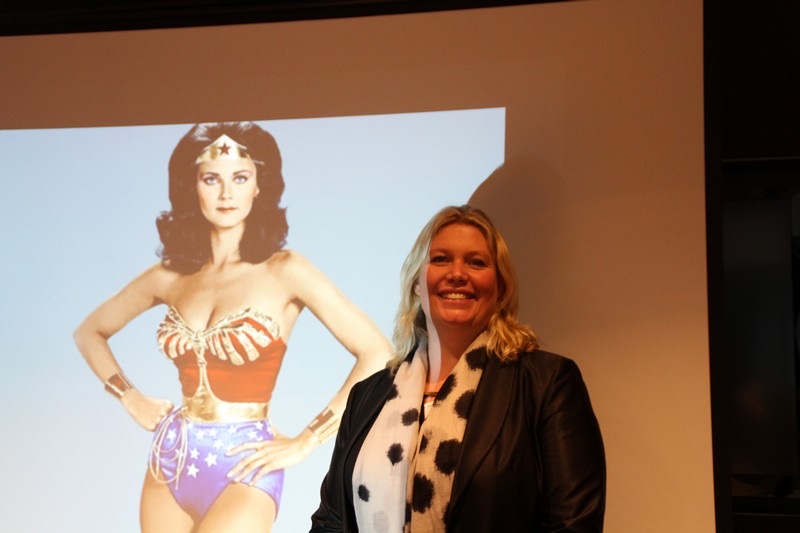
What were the Committee’s priorities, and what do you remember most about those early years?
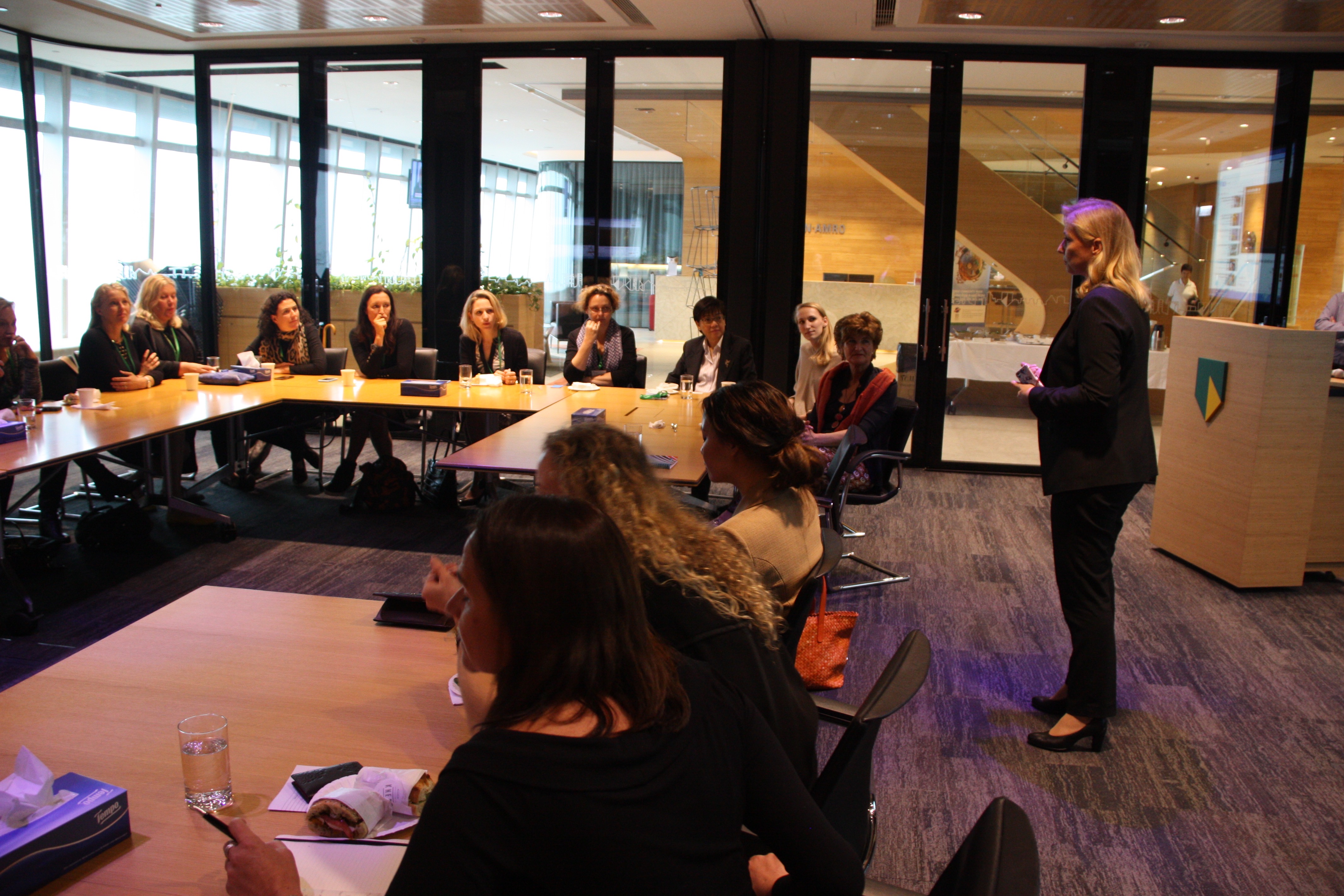
Our priorities were visibility and connection. We wanted to bring Dutch professional women together and create opportunities for people from different industries to learn from one another. A banker, entrepreneur, and lawyer may have very different professional experiences, but there was always something valuable they could share.
Not all of our events focused on business discussions. One memorable session featured a personal shopper who spoke about professional fashion and how to build a practical working wardrobe. We wanted networking to be useful, but also enjoyable, approachable, and engaging.
The biggest challenge was finding women to join. There simply were few senior Dutch women in Hong Kong at the time, and those we knew were often busy and travelling. We had to make a real effort to identify people and bring them together.
Looking back, I think there was also an opportunity to collaborate more closely with other chambers. We were among the first to establish a Women in Business Committee, and we were exploring relatively new territory. The response was extremely positive. Today, it is encouraging to see how interconnected these communities have become and how frequently they partner on events and initiatives.
How did that experience influence your approach to building communities?
The Committee taught me that a network is not simply a collection of contacts. It is a community built around relationships and a shared purpose. Every network I have helped create since, whether in fintech, women’s leadership, or femtech, has started with the same question: what problem are these people trying to solve together?
It also taught me the importance of creating the conditions for trust. Smaller groups, open and honest conversations, a clear agenda, and a host who takes the time to connect people personally all make a difference. That remains my approach to events today.
Later, I co-founded the Women Chief Executives network in Hong Kong. What began with eight women has grown into a community of 60 female CEOs across banking, insurance, and asset management. For me, it reinforced the importance of visibility and role models. Bringing women together was only the beginning; supporting women and girls throughout their careers became part of a broader mission.
I was also involved in establishing the Fintech Association of Hong Kong. In those early days, we actively sought out women in technology who wanted to contribute and become involved. Watching that professional community develop over time has been incredibly rewarding.
Femtech is different in that the community includes more female than male founders. At the same time, we place enormous value on the men who are building solutions for women. There is something particularly inspiring about seeing male founders become advocates for women’s health.
Which Dutch Chamber memories have stayed with you?
What has been most special is the access to people from such a wide range of industries and backgrounds. Many of the people I remain in contact with today, including those who have long since returned to the Netherlands, are people I first met through the Dutch Chamber. These were not fleeting introductions. They became lifelong connections. One moment that stands out was when Mano Markovitz named me as his role model. It was completely unexpected and deeply touching. Moments like that remind you that you do not always realise the impact you have on someone until they choose to tell you.
What has your move from finance to femtech taught you?
One of the biggest lessons I have learned is that it is never too late to change careers. You do not have to remain in the same field simply because you have invested many years in it. While career transitions can sometimes feel lonely, there are always people willing to offer advice, make introductions, or lend a hand. That generosity is something I particularly value about Hong Kong. It also reinforces the importance of networks such as the Dutch Chamber. You may join for one reason, but the relationships you build often support you in ways you could never have anticipated. At the time, you may not know where those connections will lead. Years later, they can become part of an entirely new chapter in your life.
Where do you see opportunities for closer collaboration between Hong Kong and the Netherlands?
I believe there is significant potential to build stronger bridges in health innovation. The Netherlands and Hong Kong have highly complementary strengths. The Netherlands offers world-class health research and a rapidly growing femtech ecosystem, while Hong Kong brings access to capital, insurers, and strong connections to both the Greater Bay Area and the wider Asian market.
I see opportunities for Hong Kong employers and insurers to explore Dutch women’s health solutions, for fintech and payments expertise to support healthtech businesses, and for investors on both sides to play a role in closing the gender health gap.
Women’s health is not simply a women’s issue. It is both a public health issue and an economic issue. When women’s health needs are overlooked, the effects are felt in careers, productivity, and family life. I would welcome greater involvement from female entrepreneurs in these conversations, and I believe the Dutch Chamber can play an important role in helping the Dutch business community better understand the opportunities in this space.
More broadly, I believe Hong Kong faces a perception challenge in the Netherlands. We should do more to highlight the innovation taking place here, particularly in areas such as healthcare and artificial intelligence. Stronger collaboration in biotech, medtech, and women’s health would give businesses on both sides a practical and meaningful agenda to work towards.
What would you hope to see in the Dutch Chamber’s next chapter?
Over the next three to five years, I would love to see more people in the Netherlands recognise that Hong Kong remains an exciting place to do business and a city full of opportunity. I hope we can encourage more companies, entrepreneurs, and talent to come here.
It is already encouraging to see so many students choosing Hong Kong for exchange programmes. The next step is inspiring them to return after graduation and build their careers here.
As the Dutch Chamber celebrates its 35th anniversary, my message is simple: communities do not build themselves. People build them, one conversation at a time. The Dutch Chamber gave me my first opportunity to build a community in Hong Kong, and that lesson continues to shape everything I do. Congratulations on 35 years of connecting people. Keep opening doors, keep making room at the table, and keep strengthening the ties between the Netherlands and Hong Kong in ways that truly matter.
Here’s to the next 35 years.