Harmen Overdijk on Connection, Change and the Dutch Chamber's Next Chapter
Could you please introduce yourself and tell us about your background, your current role, and how you first became involved with the Dutch Chamber?
I am the Founder and Co-CEO of Leo Wealth, an international wealth management firm that supports international families, primarily across Asia and the United States, with tax planning, estate planning and investment management. I have been building the business since 2014.
My journey in Hong Kong began in 2001, when I relocated here with Dutch private bank MeesPierson, which later became part of Fortis Bank. That is also how I first became involved with the Dutch Chamber. As a Dutch bank, we were naturally a member, and with several Dutch colleagues around me, my early involvement mainly consisted of attending Dutch Chamber events.
Later, when I moved to a Swiss bank, we also became members of the Dutch Chamber, so I have effectively been involved ever since arriving in Hong Kong.
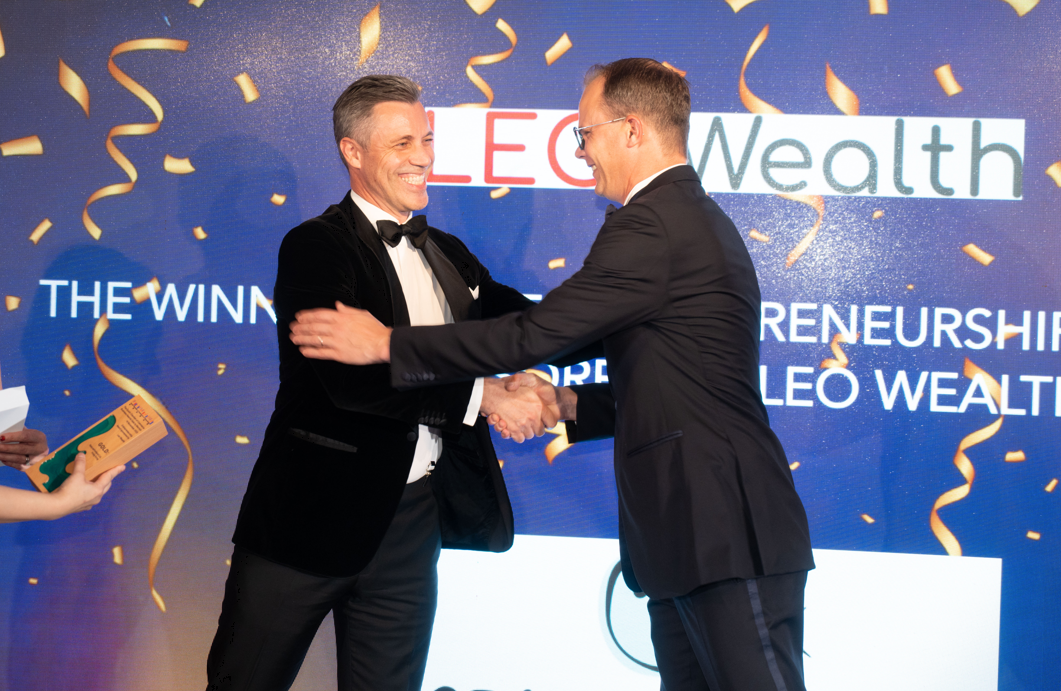
Today, Leo Wealth is proud to be a Gold Member of the Dutch Chamber. Given our Dutch roots, supporting the Dutch Chamber is important to us, and many of my colleagues actively participate in events and committee activities throughout the year.
You have been active in the Dutch Chamber for many years, including serving as Chair of the Finance Committee and as a Board Director. What motivated you to take on these roles?
I have had two active periods with the Dutch Chamber. In 2012, I was one of the founding members of the Finance Committee, and in 2014 I became its Chair. Then, in 2023, I was invited to return as Chair of the Finance Committee while also joining the Board as a Director.
For me, it is simply a way of giving back to the Dutch community. Hong Kong has given me a great deal, both professionally and personally, and I believe it is important to help the Dutch business community remain connected and continue to thrive here.
Looking back on your time with the Dutch Chamber, what changes or milestones stand out most? What has been the most rewarding part of your journey?
Three milestones stand out in particular.
The first dates to the launch of the Finance Committee in 2012. Together with Lodewijk Meens , we came up with the idea for the Bankers' Dinner and its now famous quiz. I am especially proud that the event continues to thrive today. Now known as the Finance Dinner, it remains one of the highlights of the Dutch Chamber calendar, with both the quiz and the Finance Person of the Year Award still central features of the evening.
The second milestone has been the collaboration with the Belgium-Luxembourg Chamber of Commerce. Over recent years, both Dutch and Belgian financial institutions have reduced their presence in Hong Kong. Recognising this reality, we decided to explore closer cooperation between our chambers. What started as a trial proved highly successful and, in 2025, evolved into a formal joint committee, the first official joint committee established by the Dutch Chamber with another chamber.
The partnership made perfect sense. Many Dutch financial institutions operate in Belgium and vice versa, while numerous Dutch professionals work within Belgian financial organisations. The collaboration expanded our membership base, increased attendance at events, and strengthened sponsorship opportunities. During the same period, the Tax Committee was integrated into the Finance Committee, bringing initiatives such as the Tax Breakfast under one umbrella.
Seeing the continued success of the Finance Dinner while also bringing together tax and finance professionals, as well as the Dutch and Belgium-Luxembourg communities, has been tremendously rewarding.
The third milestone is perhaps the most personal. Leo Wealth has proudly sponsored the Herring Party in recent years. Although it is a distinctly Dutch tradition, it has become increasingly popular with an international audience. My colleagues, including those who are not Dutch, look forward to it every year, and many of our clients are equally intrigued by the experience.
While dishes such as mussels are enjoyed throughout much of Europe, the Dutch way of eating herring is truly unique. What makes the event special is how it brings together people from different nationalities, industries and backgrounds around a distinctly Dutch tradition. Watching those connections develop has been incredibly rewarding.
As Chair of the Finance Committee, what have been the most important developments or challenges you have observed in Hong Kong's financial sector?
The most significant change has been the evolving presence of Dutch financial institutions in Hong Kong.
When I first arrived 25 years ago, all the major Dutch banks, insurers and asset managers maintained significant offices here, often led by Dutch expatriate executives. They were active members and sponsors of the Dutch Chamber, and many Dutch professionals served on Dutch Chamber committees.
Over the past two decades, that landscape has changed substantially. Many Dutch financial institutions have downsized, relocated regional headquarters or closed certain operations. Those that remain, such as Rabobank and ING, are increasingly led by local management rather than Dutch executives.
In my view, this is a natural progression.
Importantly, there are still many Dutch professionals working in the financial industry. The difference is that today they are often employed by American, British or Chinese institutions rather than Dutch ones. While some remain individual Chamber members, their employers understandably do not typically join national chambers.
This is not unique to Dutch organisations. It is a trend many national chambers are experiencing. Even where financial institutions retain a strong local presence, they increasingly view themselves as global businesses rather than national champions. Their client bases are international, and their priorities naturally reflect that reality.
For the Dutch Chamber, this does not diminish its relevance, but it does require us to adapt to a changing business landscape.
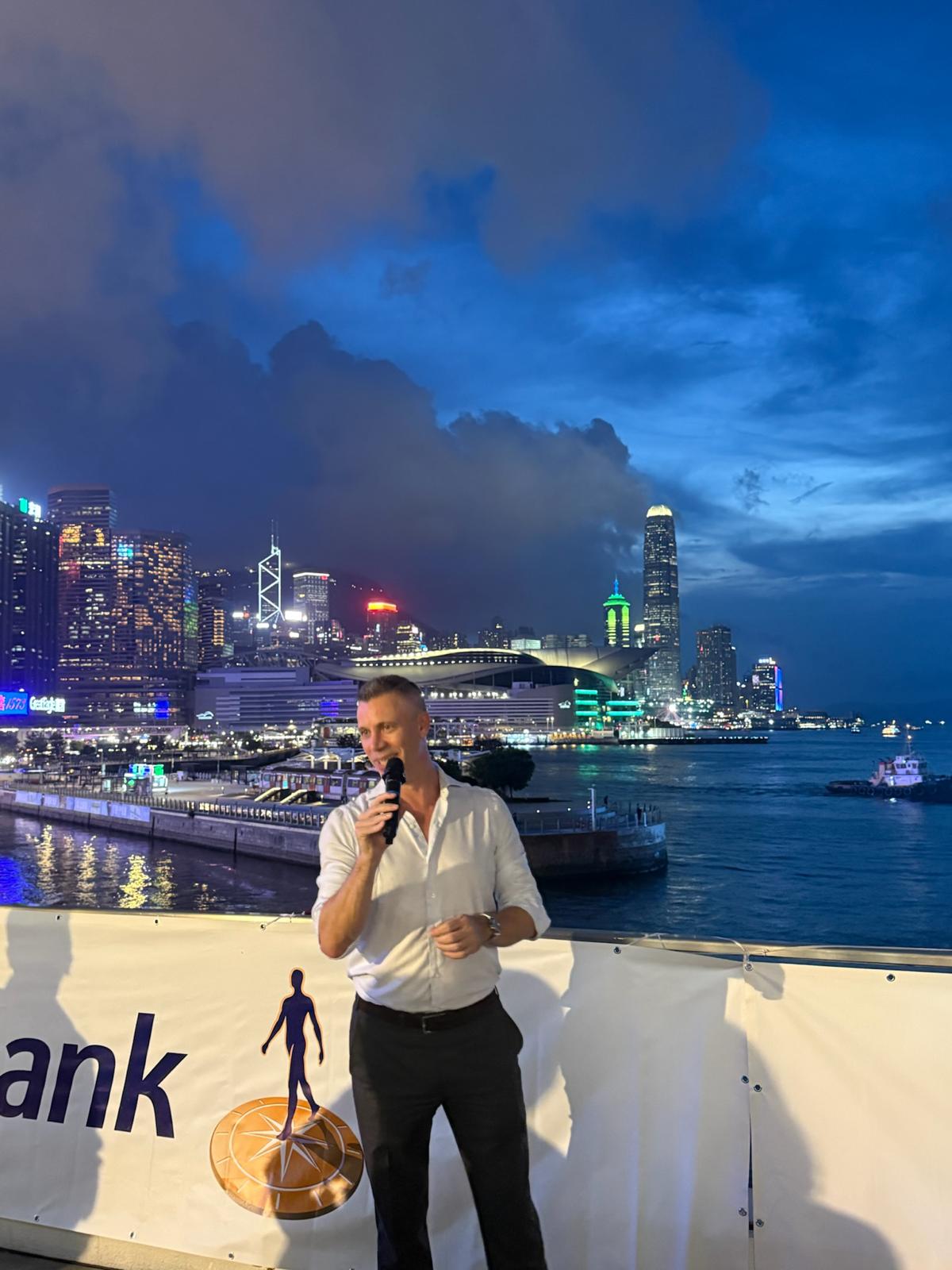
From your perspective, what has been the Dutch Chamber's greatest contribution to the Dutch business community in Hong Kong?
At its core, the Dutch Chamber's greatest contribution has always been its ability to connect people.
It connects large companies with smaller businesses, links professionals across industries, welcomes Dutch newcomers to Hong Kong, and helps local management teams engage with the wider Dutch business community. That role remains just as important today.
Equally significant has been the Dutch Chamber's close relationship with the Consulate General of the Netherlands. The Consulate has consistently supported the Dutch Chamber and its members by providing access, insight and connections. It has helped members understand Dutch economic policy, strengthened ties between business and government, and opened doors through its network.
One particular strength of being in Asia is the close interaction between the business community and the Consulate. When ministers, trade delegations or even the Prime Minister visit, the Dutch Chamber often serves as the bridge connecting them with the Dutch business community. At the same time, it provides an important platform for businesses to share feedback on international trade and economic policy. That partnership has added significant value and credibility to the Chamber's activities over the years, and it is something I sincerely hope continues.
As the Dutch Chamber celebrates its 35th anniversary, what should its next chapter focus on? And what advice would you give future Dutch Chamber leaders?
The business environment has changed considerably. Twenty-five years ago, Hong Kong was the primary gateway to China and much of Asia. Today, companies can establish direct operations in Shanghai, Beijing, Guangzhou and many other cities. At the same time, many large Dutch companies have evolved into truly global organisations that no longer rely on national chambers in the same way they once did. That said, I do not believe Hong Kong's importance has diminished. Rather, its role has evolved, and significant opportunities remain.
While fewer Dutch companies may be entering Asia today compared with two decades ago, we are seeing growing interest from Chinese and other Asian businesses looking to establish connections with Europe. The Netherlands offers an attractive entry point, with its strong legal framework, excellent infrastructure and well-developed financial ecosystem. BYD is a good example. The Netherlands became the starting point of its European expansion and now hosts its European headquarters. The company has also been highly supportive of some of the Chamber's Greater Bay Area initiatives.
Looking ahead, I believe the Dutch Chamber's future lies in facilitating this two-way flow. It should continue supporting Dutch companies entering Asia while also helping Asian businesses connect with the Netherlands and the broader European market. That may require rethinking some traditional approaches, including membership. Historically, members needed a clear Dutch connection. In the future, there may be opportunities to welcome companies that aspire to build such a connection, particularly businesses in the Greater Bay Area seeking access to European markets through Dutch networks. I also see significant potential for closer cooperation with the Dutch Chambers in Guangzhou and Shanghai, creating a more integrated Dutch business network across the region.
My advice to future Dutch Chamber leaders is simple: stay open, stay connected and do not be afraid to adapt. The Dutch Chamber's greatest strength has always been its ability to bring people together. If it continues to do so while remaining attentive to changing business dynamics, I am confident the next chapter will be every bit as successful as the last 35 years.